
Spine Protection Secrets for Office Workers, a Must-Read for OLs!
Author: Chloe Mo, Founder & Registered Physiotherapist

For modern office workers, sitting for long periods at a desk has become the norm. Faced with mountains of work, we often tell ourselves, "Just a little longer, and these tasks will be done." However, this "little longer" often extends throughout the entire workday, or even longer, silently harming our health.
Sedentary Lifestyle: The Invisible Health Killer
1. Neck and Back Pain
Prolonged looking down at computer screens or mobile devices can lead to the cervical spine being in a flexed position for extended periods, easily causing fatigue and discomfort. Similarly, maintaining one posture for a long time can strain the muscles and ligaments of the lower back, leading to lower back pain.
2. Muscle Fatigue and Injury
In a normal state, muscles should be able to contract freely and be elastic. However, if you maintain one posture for a long time without moving, muscles can become fatigued, injured, or even "stiff." If you notice your body isn't as flexible as before, or if your shoulders or lower back feel very stiff, it indicates that problems are starting to emerge.
3. Poor Blood Circulation
Prolonged sitting keeps the body in a relatively inactive state, especially the lower limbs. Blood supply to the body relies not only on the heart's contraction but also on muscle contraction to promote venous return. A lack of this return can lead to numbness, soreness, fatigue, and even abnormal sensations in the lower limbs.
4. Joint Compression
After prolonged sitting, we often adopt various odd postures. These postures not only affect muscles but also cause joints to remain in incorrect positions for extended periods. Many cases of herniated discs or joint misalignment arise this way, with symptoms including back pain, leg pain, and radiating pain in the lower limbs.
Healthy Office Tips
To reduce adverse effects on your body, please note the following:
1. Maintain Correct Posture

Maintain an upright sitting posture, with a straight back, and adjust the height and angle of your computer screen to avoid looking down or slouching for extended periods. You can place a lumbar support cushion on your chair to protect your lumbar spine and reduce pressure. Avoid bad habits like crossing your legs or slouching.
2. Stand Up and Move Regularly
It is recommended to stand up and move around every 45 minutes of work, preferably not exceeding 1 hour. If conditions permit during your lunch break, try to schedule a 20-30 minute nap. A short nap can significantly boost afternoon work efficiency and mental state.
3. Use a Massager to Relax Muscles
When working at your desk, your shoulders and neck may inevitably feel fatigued and sore. You can use a low to medium frequency pulse massager to relax muscles and relieve muscle fatigue and soreness. Using it with heat therapy can promote local blood circulation and soft tissue repair.
4. Simple Exercises
You can exercise more regularly, such as jogging, badminton, or swimming. If you are too busy at work to exercise, you can do some simple exercises at home or in the office to relieve neck and back discomfort:
• Spine Stretch: Place your hands on the chair, arch your back as you inhale, and push your chest forward as you exhale. Do 10 repetitions per set, 3 sets daily.
• Side Waist Stretch: Stand up, then tilt and bend your upper body, feeling the stretch in your side waist. Hold for 30 seconds, stretch each side for 3 sets.

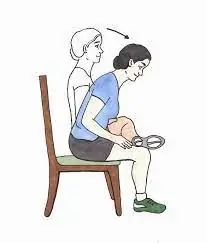
• Hamstring Stretch: Sit or stand with your right leg straight and your left leg bent. While breathing, press your torso forward towards your right leg, fixing your palms on your knee. When you feel a significant stretch in your leg, hold for 15 seconds. Stretch each leg for 3 sets.

• Gluteal Stretch: While sitting, place your left leg over your right knee, tighten your lower back, and lean forward, feeling a pull in your glutes. Hold for 30 seconds, stretch each side for 3 sets.
For office workers, health is not out of reach. By taking regular breaks, maintaining a balanced diet, engaging in moderate exercise, ensuring sufficient sleep, and paying attention to mental well-being, we can effectively improve our personal health. These practices not only help improve work efficiency and quality of life but also represent an investment in our long-term welfare.
#HazardsOfSedentaryLifestyle #OfficeStretches #CorrectSittingPostures #PreventingHerniatedDiscs #WorkplaceHealthGuide #ReliefForShoulderAndNeckPain #OfficeExerciseTraining